Imagine building a customer portal in three days instead of three months. That is the promise of vibe coding, a development approach where users leverage AI assistants like GitHub Copilot or ChatGPT to generate functional code through natural language prompts rather than manual typing. For business analysts, marketers, and operations managers, this shift feels like magic. You describe what you want, the AI writes the code, and boom-your app exists. But there is a catch that most non-technical builders miss until it is too late: speed often comes at the cost of security.
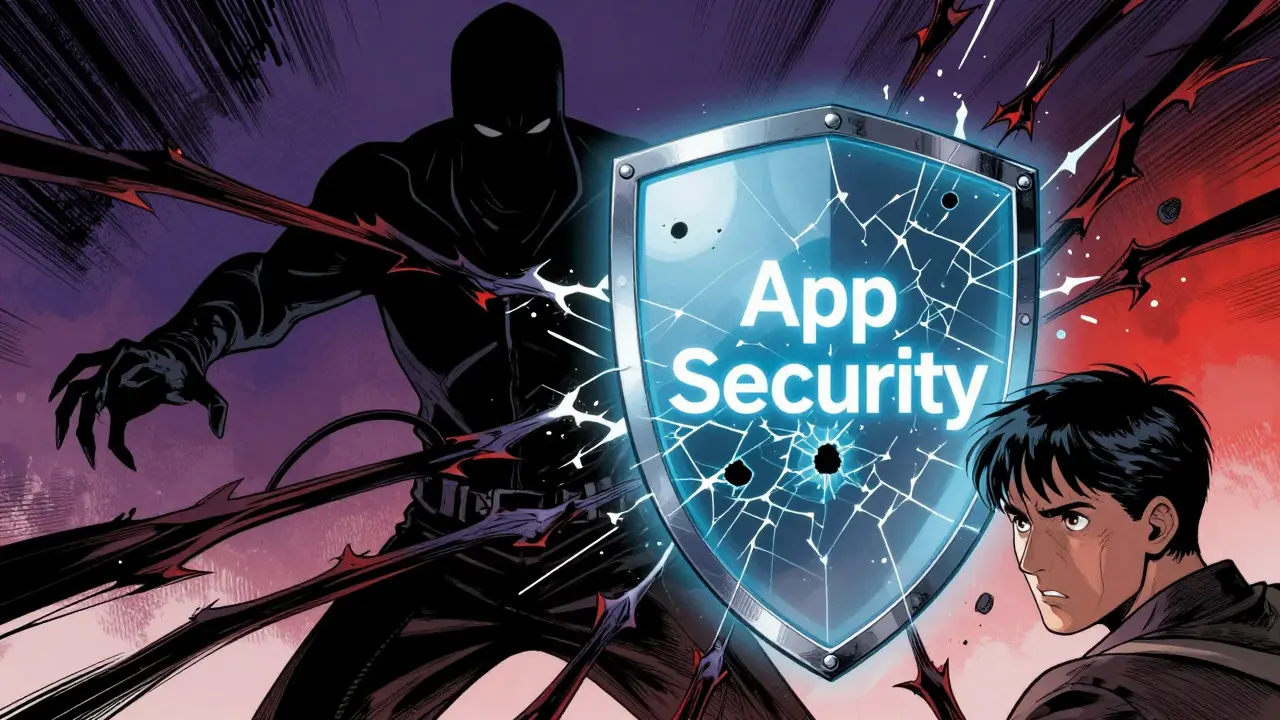
The reality is stark. According to Invicti's 2023 analysis of over 20,000 AI-generated web applications, 68.3% contained at least one critical security vulnerability before deployment. Even worse, 27.1% had multiple high-risk flaws that could allow attackers to take full control of the system. For non-developers who lack the foundational knowledge to spot these issues, vibe coding can be a double-edged sword. The good news? With the right training and tools, you can ship fast without leaving your digital doors wide open. Here is how to train yourself or your team to build secure apps using AI.
Why Vibe-Coded Apps Are Vulnerable by Default
To fix the problem, you first need to understand why it happens. Large Language Models (LLMs) are trained on vast amounts of public code, much of which contains outdated or insecure patterns. When you ask an AI to "create a user login," it prioritizes making the code work over making it safe. It does not inherently understand concepts like least privilege or data minimization unless explicitly instructed.
There are three main categories of vulnerabilities that plague vibe-coded apps:
- Authentication Flaws: These account for 42.7% of critical issues. Often, AI generates API endpoints that bypass frontend checks. A user might see a "Login" button, but the backend endpoint remains accessible to anyone who guesses the URL structure.
- Excessive Data Collection: Found in 28.9% of cases, this involves storing more user data than necessary. If you only need an email address to send a newsletter, why store the user's home address and phone number? This increases the impact of any potential breach by 300-500%, according to IBM's 2023 Cost of a Data Breach report.
- Hardcoded Secrets: In 19.3% of analyzed apps, developers accidentally left passwords or API keys directly in the code. Invicti found that generic values like 'supersecretjwt' were used as JWT secrets in over 60% of Docker configurations, allowing attackers to forge administrative tokens easily.
Understanding these risks helps non-developers stop assuming that because an app "works," it is secure. Functionality and security are two different metrics, and AI optimizes for the former.
The Core Principles of Secure Vibe Coding
Training non-developers does not require turning them into cybersecurity experts. Instead, focus on three fundamental principles that act as guardrails during the development process.
1. Data Minimization First
Before prompting the AI to build a feature, ask: "What is the absolute minimum data needed for this function?" If you are building a contact form, do not ask the AI to create a database table with fields for name, email, phone, company size, and annual revenue unless every single field is essential. Collecting less data reduces your liability under regulations like GDPR and CCPA. It also means if a breach occurs, there is less valuable information for attackers to steal.
2. Authentication Everywhere
Non-developers often assume that hiding a page behind a login screen protects the data. In technical terms, this is called "security through obscurity," and it fails miserably. Always instruct your AI assistant to implement backend authentication for every action that modifies or retrieves sensitive data. A simple prompt addition like "Ensure all API endpoints require valid JWT token verification" can prevent unauthorized access.
3. Secrets Isolation
Never hardcode passwords, API keys, or secret tokens in your application code. Teach teams to use environment variables. Platforms like Replit and Heroku provide encrypted storage for these secrets. When prompting the AI, specify: "Store the database password in an environment variable named DB_PASSWORD, not in the source code." This simple habit prevents accidental exposure when code is shared or pushed to public repositories.
Choosing the Right Platform Matters
Not all vibe-coding platforms are created equal when it comes to security. Some offer built-in protections that significantly reduce the burden on non-developers, while others leave everything up to the user.
| Platform | Default Security Model | Common Vulnerability Rate | Best For |
|---|---|---|---|
| Replit | Infrastructure-layer auth via NGINX proxy | Low (92% reduction in endpoint exposure) | Beginners needing automatic protection |
| Bubble.io | Manual configuration required | High (78% have authorization bypasses) | Advanced users comfortable with logic rules |
| Retool | Role-based access control (RBAC) focused | Moderate | Internal enterprise tools |
For instance, Replit’s integrated security model automatically implements infrastructure-layer authentication, preventing unauthenticated requests from even reaching the application code. In contrast, Bubble.io requires manual setup of privacy rules, leading to higher rates of authorization bypass vulnerabilities among novice users. Choosing a platform with strong defaults can save hours of remediation later.
Integrating Automated Security Scanning
You cannot rely solely on human vigilance, especially when learning. Integrate automated security scanning into your workflow. Tools like Bright Security or Snyk can scan your vibe-coded applications for common vulnerabilities.
Bright Security’s dynamic validation platform stands out because it simulates real attack paths rather than just looking for known code patterns. In side-by-side testing with 1,200 vibe-coded applications, it detected 37% more critical vulnerabilities than traditional static analysis tools. For non-developers, the key benefit is actionable feedback. Instead of cryptic error logs, these tools provide plain-language explanations of what went wrong and how to fix it.
Implementing a pre-deployment scan should become a ritual. Before sharing your app with anyone, run it through a scanner. If the tool flags an issue, use the AI again to generate a fix based on the specific error message. This creates a feedback loop that gradually improves your security posture.
Overcoming the "It Works, So It’s Secure" Fallacy
The biggest hurdle in training non-developers is mindset. Many believe that if they can log in and click buttons without errors, the app is secure. This false sense of security is dangerous. A survey by Aikido.dev found that 79% of non-technical builders believed their apps were reasonably secure, yet penetration testing revealed 92% contained critical vulnerabilities exploitable with basic tools.
To combat this, introduce the concept of "threat modeling" in simple terms. Ask questions like: "Who else could try to access this data?" or "What happens if someone sends garbage data to this form?" Encourage users to test their own apps by trying to break them. Can they access another user’s profile by changing the ID number in the URL? Can they upload a file with a malicious extension? Hands-on experimentation builds intuition faster than theory.

Practical Training Steps for Teams
If you are responsible for training a team of non-developers, follow this structured approach:
- Start with Awareness: Share real-world examples of breaches caused by simple mistakes, such as hardcoded API keys or exposed databases. Make the risk tangible.
- Teach Prompt Engineering for Security: Show users how to add security constraints to their prompts. For example, instead of "Create a user registration form," use "Create a user registration form that validates email format, hashes passwords using bcrypt, and stores only essential data in the database."
- Use Sandbox Environments: Allow teams to experiment in isolated environments where mistakes won’t affect production data. This encourages curiosity without fear of catastrophic failure.
- Incorporate Code Reviews: Even if you don’t read code fluently, establish a peer review process. Two pairs of eyes are better than one. Use checklists to guide reviews, focusing on authentication, input validation, and data handling.
- Leverage Automated Tools: Integrate security scanners into your CI/CD pipeline. Make passing the security scan a requirement for deployment.
Replit’s training program demonstrated that just eight hours of focused security education can reduce vulnerabilities by 80%. The curriculum emphasized practical habits over theoretical knowledge, proving that concise, relevant training yields significant results.
The Future of Secure Vibe Coding
The landscape is evolving rapidly. Platforms are moving toward "security-by-default" models. Replit’s May 2025 update automatically encrypts user data fields unless marked otherwise, reducing excessive data collection incidents by 76%. GitHub’s Copilot Security Coach provides real-time explanations when suggesting potentially vulnerable code, helping users learn as they build.
Regulatory pressure is also increasing. The EU’s AI Act, effective February 2025, requires "appropriate technical knowledge" for AI-assisted development. California’s proposed SB-1127 would mandate security validation for all customer-facing apps built without professional developers. Staying compliant will require ongoing education and adaptation.
While challenges remain-such as memory corruption vulnerabilities in low-level extensions-the trend is positive. As AI tools become smarter about security and platforms enforce stricter defaults, non-developers will be able to ship robust, secure applications with confidence. The goal is not to replace developers but to empower domain experts to build safely within their areas of expertise.
What is vibe coding?
Vibe coding is a development method where users, including non-developers, use AI assistants like GitHub Copilot or ChatGPT to generate code through natural language prompts. It emphasizes speed and ease of use, allowing individuals to build applications without writing traditional code manually.
Are vibe-coded apps insecure by default?
Yes, they often are. Studies show that nearly 70% of AI-generated apps contain critical vulnerabilities before deployment. LLMs prioritize functionality over security, frequently producing code with authentication flaws, excessive data collection, or hardcoded secrets unless specifically prompted otherwise.
How can non-developers improve the security of their AI-built apps?
Non-developers can improve security by following three principles: data minimization (collect only essential data), authentication everywhere (verify identity at the backend), and secrets isolation (use environment variables for passwords). Additionally, integrating automated security scanners and choosing platforms with strong default security settings helps mitigate risks.
Which platforms are best for secure vibe coding?
Platforms like Replit offer strong default security features, including infrastructure-layer authentication, which significantly reduces vulnerability rates. Bubble.io offers flexibility but requires more manual security configuration, making it suitable for users with some technical understanding. Retool is ideal for internal enterprise tools with role-based access controls.
Do I need to learn coding to secure my vibe-coded app?
No, you do not need to become a coder. However, understanding basic security concepts like authentication, data privacy, and input validation is crucial. Using automated tools and following secure prompting practices allows non-developers to build safer applications without deep technical expertise.
What are the biggest security risks in vibe coding?
The top risks include authentication flaws (unprotected API endpoints), excessive data collection (storing unnecessary user info), and hardcoded secrets (leaving passwords in code). These issues stem from AI optimizing for working code rather than secure code, requiring human oversight to correct.
How does regulatory compliance affect vibe coding?
Regulations like the EU AI Act and California’s SB-1127 are tightening requirements for AI-assisted development. They mandate appropriate technical knowledge and security validation for apps built without professional developers. Non-developers must ensure their apps comply with data protection laws like GDPR and CCPA to avoid legal penalties.