
Protecting Model Weights and IP in Large Language Models
Discover how to secure your LLM investments. Learn the difference between watermarking and fingerprinting, implementation costs, and legal implications.
Discover how to secure your LLM investments. Learn the difference between watermarking and fingerprinting, implementation costs, and legal implications.

Learn how to prevent Remote Code Execution (RCE) in AI-generated code by fixing deserialization flaws and enforcing strict input validation. Discover practical strategies to secure your AI pipelines.

AI coding assistants boost speed but introduce unique security risks. Learn how verification engineers can use targeted checklists and specialized SAST tools to catch AI-specific vulnerabilities like missing input validation and insecure defaults.

Learn how to build effective incident response playbooks for LLM security breaches. Discover strategies for handling prompt injection, data leakage, and integrating AI alerts into your SOC.

Learn how to manage GDPR and CCPA compliance in vibe-coded apps. Discover strategies for dynamic data mapping, secure consent flows, and avoiding common AI-generated privacy pitfalls.

Learn how to prevent LLM system prompt leakage, a top security risk (OWASP LLM07). Discover proven mitigation strategies, real-world failure cases, and architectural best practices to protect your AI applications.
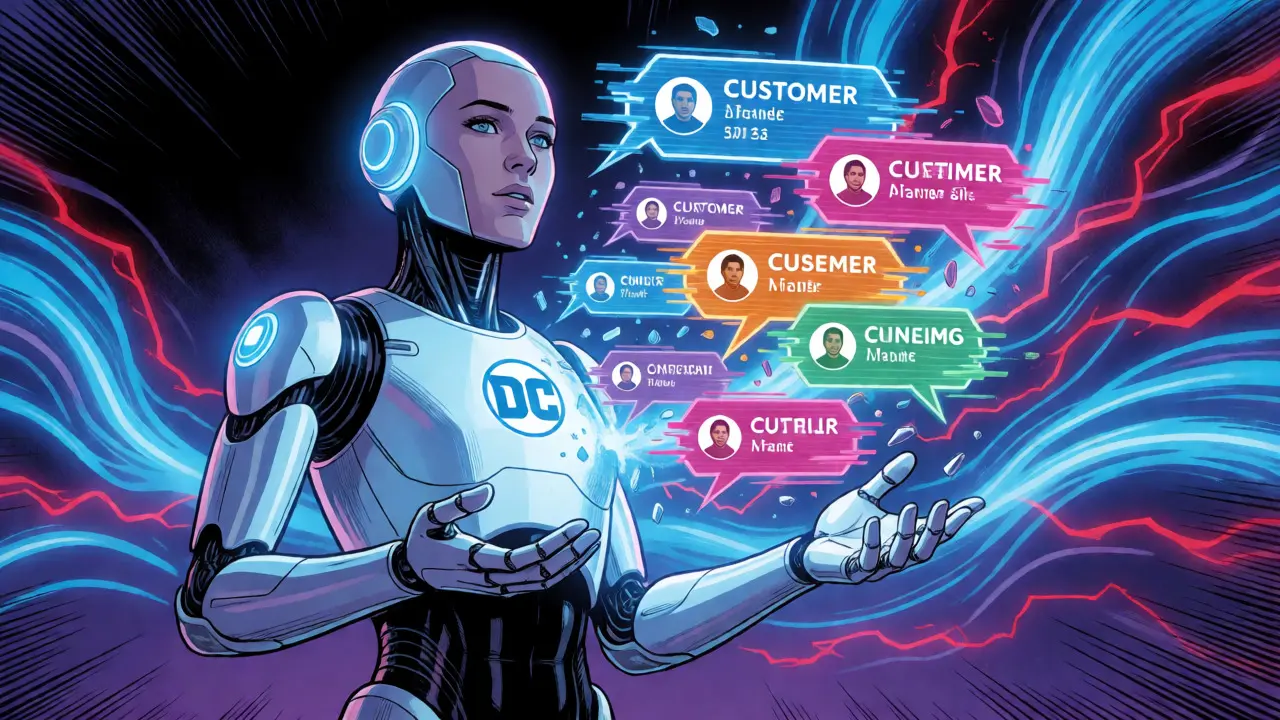
Learn how to handle AI-specific security incidents. Discover why traditional playbooks fail against prompt injection and data poisoning, and how to implement effective incident response for modern AI systems.

Discover how shadow prompting and data exfiltration threaten LLM workflows. Learn practical defenses against hidden prompt injections and shadow AI risks.

Discover how to implement a 'guilty until proven secure' policy for AI-generated code. Learn about zero-trust governance, technical controls, and NIST AI RMF alignment to protect your software supply chain.
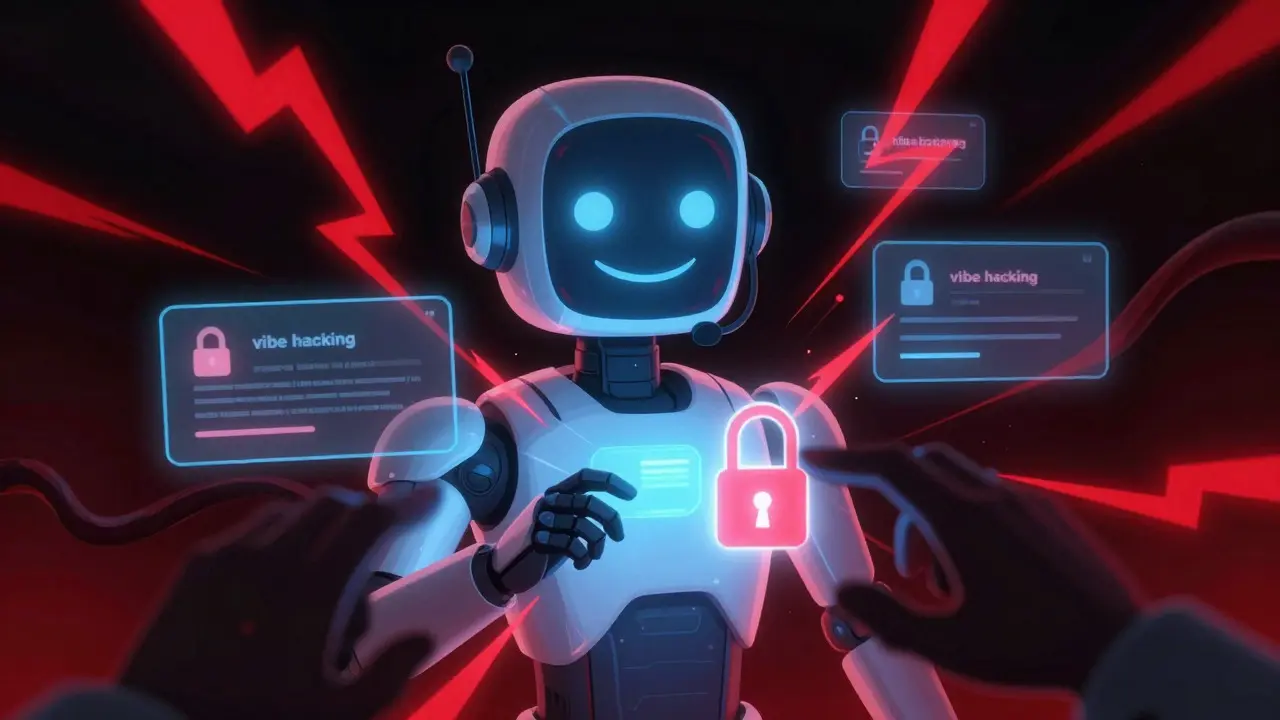
Discover how to secure vibe-coded apps against hidden risks. Learn red teaming exercises like prompt perturbation and tone testing to stop vibe hacking.

Learn how to train non-developers to build secure apps using vibe coding. Discover key security principles, platform comparisons, and practical steps to avoid common AI-generated vulnerabilities.

Explore how AI watermarking detects synthetic content, its limitations against attacks, and why combining it with C2PA metadata is essential for trust.